Bristol Archives: Starting a Local-History Research Project
Turn a question about a Bristol street or building into a manageable archive project, from recording catalogue references to handling documents and arranging permission for photographs.
Published
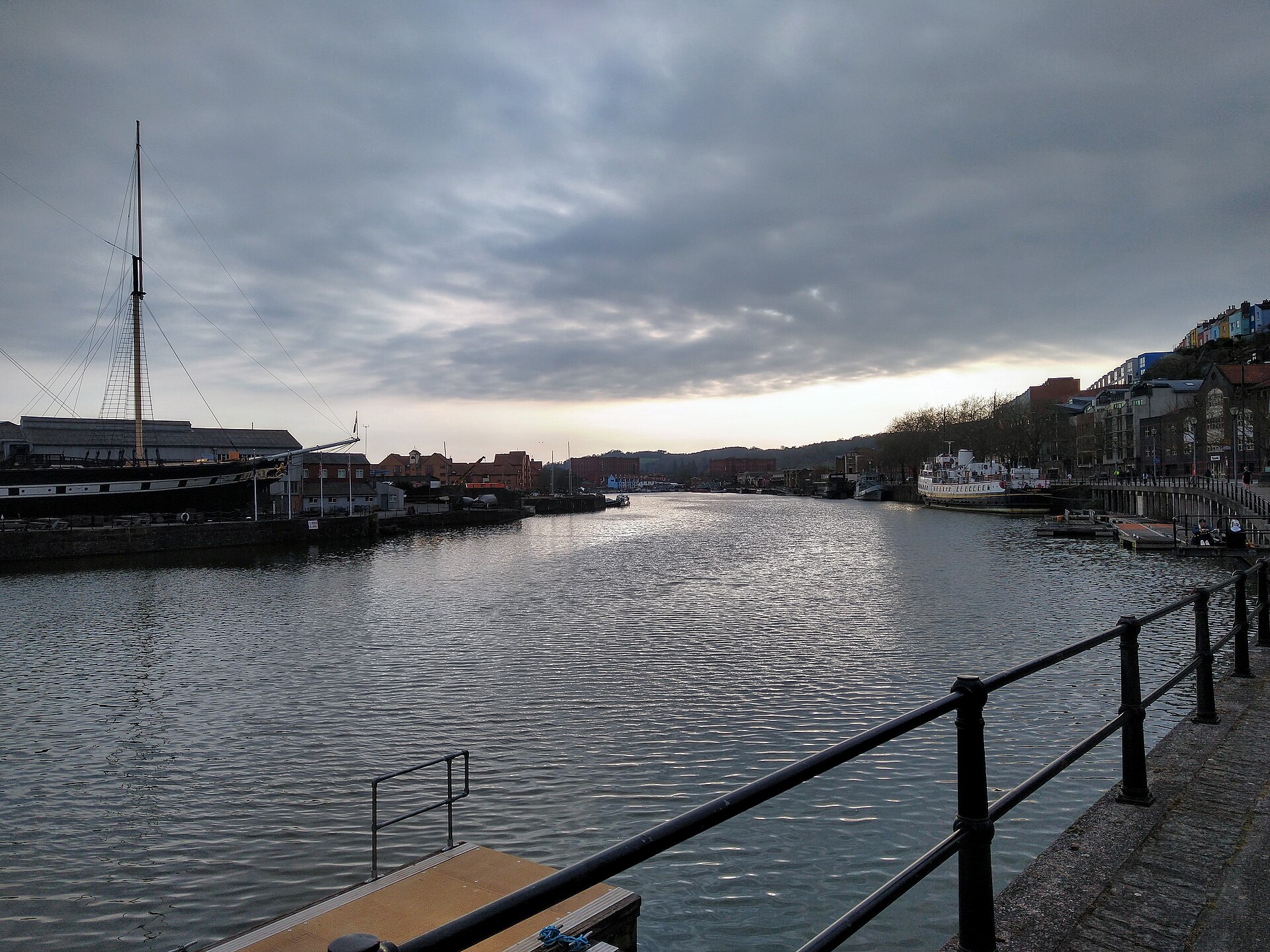

Start your Bristol Archives research with one question about one place. The archive service cares for records of Bristol and surrounding areas, and makes its collections available to everyone free of charge. Its photographs, illustrations and maps offer possible starting points for local history. A useful first project needs a clear question, a record of what you consult and room for an answer that remains incomplete.[1]
Choose a Question You Can Test
“The history of my street” is a large undertaking. Try narrowing it to when a particular building changed use, how a junction’s layout developed or what occupied a plot during a defined period. Write down the address, the stretch of street and the years you want to investigate. These are suggested research questions, rather than promises that a particular record survives.[1]
Think about what would help answer your question. For a change in street layout, you might look for maps to compare. For a building’s appearance, photographs or illustrations may be useful. Keep the question separate from your expectation: write “What stood here?” rather than treating a remembered story as an established fact.[1]
Build a Catalogue Shortlist With Usable References
Use the online catalogue link on the Bristol Archives homepage. The visit guidance asks researchers ordering documents to provide the relevant catalogue reference numbers. Copy each reference exactly, alongside the description that made the item look useful. A street address alone won’t fulfil that request.[1][2]
For your own search notes, list the place name, building name and any organisation already connected with your question. Try those terms individually and record what you searched. If you already know an earlier name for the place, include it too. These are ways to organise an enquiry, without assuming any particular catalogue search syntax.[1][2]
Give each shortlisted item a brief purpose: “compare the road alignment” or “check the frontage”. Keep catalogue descriptions separate from your eventual observations of the documents. If you’re unsure which material to request, Bristol Archives welcomes enquiries for research advice. Ask about suitability and availability before building your whole visit around one item.[2]
Decide Whether to Book a Searchroom Visit
Advance booking is optional. Bristol Archives says booking helps staff prepare documents and consider how to assist with your topic. If you choose to book, have your catalogue references ready. Follow the current booking form or ask staff how many documents to request in advance. Further documents can be ordered during a session.[1][2]
Before travelling, check the operator’s opening information and read its visitor guidance. At B Bond, the visit instructions direct readers through the Create entrance to the Archives, with belongings stored in foyer lockers. Pack a pencil and your research notes so you can begin with the question and references already to hand.[1][2][3]
Handle Originals Without Disturbing Their Order
Wash your hands with soap and water before entering, and make sure they’re dry before handling documents. Bristol Archives asks visitors not to use hand sanitiser because residue can transfer to records. Use pencils only, and keep pens, erasers and sticky notes away from archival material.[2][3]
- Clear enough desk space for the whole document, with no edges hanging over the table.
- Keep records in the order in which you receive them.
- Keep notebooks, cameras and other objects off the records, and never lean on them.
- Leave fastenings in place and ask staff before taking an item out of its enclosure.
Ask staff which supports or weights to use rather than forcing a volume flat or holding a curled sheet down yourself. The archive provides handling aids and gives guidance on glove use. In your notes, record the document reference before your observations, then distinguish an exact transcription from a paraphrase or an uncertain reading.[3]
Separate Consultation, Copying and Publication
Free consultation and making copies are separate arrangements. Bristol Archives charges for its copy order service and normally requires a paid photography licence for visitors photographing searchroom material on any device. Confirm the applicable charge before copying. Buy the licence before taking photographs, and follow the prohibition on flash and scanning equipment.[1][2][3]
Visitors taking photographs must also complete a copyright declaration. If you want to publish an image, including on social media, the operator asks you to contact Bristol Archives for permission. Reproduction fees may apply. Treat the photography licence and a request to publish as separate steps.[2]
Before leaving, check that every useful note or permitted photograph can be matched to its document reference. Write down what remains unanswered and choose the next specific enquiry. If your next step is sharing an archival image, ask Bristol Archives about publication permission before putting it online.[2][3]
Sources and checks
These sources were used for this article. Availability, prices and service details can change after the stated check date.
- Bristol Archives | Bristol Museums
Checked 20 October 2026.
Bristol Archives cares for archives of Bristol and surrounding areas. Collection consultation is available to everyone free of charge. The operator homepage provides an online catalogue link. Advance searchroom booking is optional. The Bristol collections include photographs, illustrations and maps. Visitors should check the operator’s opening information before travelling.
- Plan your visit | Bristol Archives
Checked 20 October 2026.
Booking is optional and helps staff prepare documents and consider research needs. Document orders require catalogue references, and further documents can be ordered during a session. The page contains conflicting advance-order quantities, so the article directs readers to the current form or staff without asserting a fixed limit. Bristol Archives welcomes requests for research advice. Visitors enter the Archives through the Create entrance at B Bond and store belongings in foyer lockers. Visitors should wash their hands with soap and water rather than use hand sanitiser. The copy order service is charged. Searchroom photography normally requires a paid licence, with an exception for material deposited by the photographer. Photographers must complete a copyright declaration. Publication, including on social media, requires contacting the archive for permission, and reproduction fees may apply.
- Visitor guidelines | Bristol Museums
Checked 20 October 2026.
Only pencils may be used, and pens, erasers and sticky notes must be kept away from archival documents. Hands must be clean and dry. Documents must fit on the workspace without overhanging. Researchers must preserve document order and keep other objects off records. Fastenings must remain in place, and staff must be consulted before items are removed from enclosures. Handling supports and weights are available, and visitors should follow staff guidance on their use and on gloves. A photography licence must be purchased before taking photographs, and flash and scanning equipment are prohibited.